Practical Financial Organization for Your Household
Two Saturday workshops where you build systems to track expenses, understand bills, and plan your monthly spending using real Paraguayan costs.
Core Workshop Program
The main workshop spans two consecutive Saturdays. Each session runs four hours with breaks. You work through practical exercises using your own financial situation and real local costs.
- Build your personal expense tracking system
- Learn to separate household and personal money
- Understand Paraguayan utility bills and payment cycles
- Create a monthly plan based on your actual income
- Practice with real Asunción and Ciudad del Este costs
- Choose between notebook or digital tracking methods
- Work through scenarios matching typical local salaries
- Develop habits that make tracking automatic
Workshop Materials
All participants receive physical workbooks, tracking templates, and reference guides. Materials include examples using typical Paraguayan household expenses and income levels.
Follow-Up Support
After completing the workshop, you can contact us with questions about implementing your system. Support continues for one month after your final session.
Small Group Format
Workshops limited to 12 participants to ensure everyone gets individual attention. Small groups allow time for questions specific to your situation.
What Each Session Covers
Detailed breakdown of what you learn and practice during the two Saturday sessions.
First Saturday: Building Your System
The first session focuses on creating your personal expense tracking system. You choose the method that works for you - paper notebook or phone app - and practice recording expenses.
- Different tracking methods and how to choose
- Categories that work for Paraguayan households
- Recording daily expenses consistently
- Separating household bills from personal spending
- Practice exercises with typical local costs
- Setting up your system to use starting Monday

Second Saturday: Understanding Bills and Planning
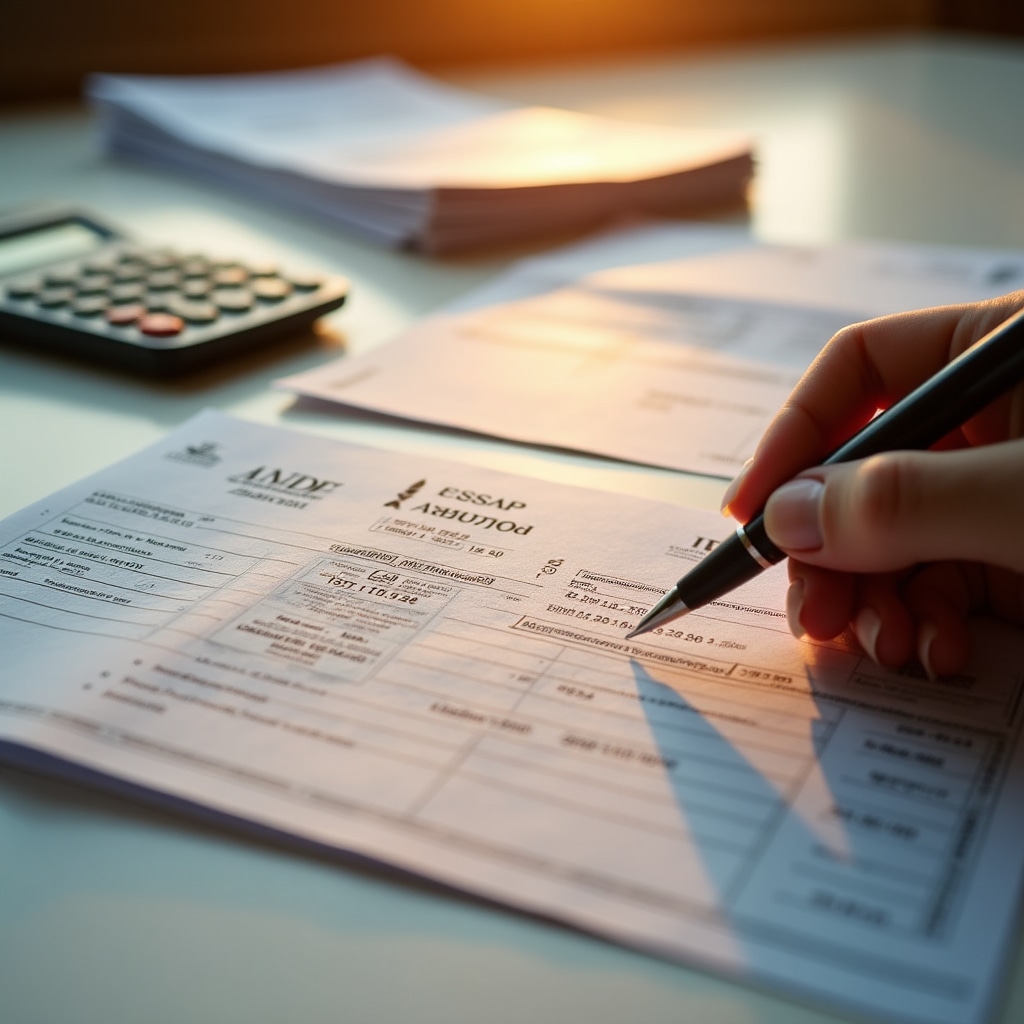
The second session teaches you how Paraguayan utility bills work and how to create a monthly spending plan based on your actual income.
- How ANDE, ESSAP, and other bills are structured
- Reading your utility bills correctly
- Typical payment cycles and due dates
- Creating a monthly plan with your real income
- Handling irregular expenses and emergencies
- Building habits that stick after the workshop
Workshop Requirements
What you need to participate and get the most from the sessions.
Attendance
Both Saturday sessions are required. The second session builds directly on the first. Missing either session means you won't have a complete system.
Materials to Bring
Bring recent utility bills and a general idea of your monthly income. Having real numbers lets you practice with your actual situation instead of generic examples.
Who Should Attend
The workshop works for anyone managing household finances. Couples often attend together, but individual participation is common and equally effective.
Language
All workshops conducted in Spanish. Materials provided in Spanish. The focus is on methods relevant to Paraguayan households and local financial realities.
What This Workshop Is Not
Not Investment Advice
We don't teach where to invest money or recommend financial products. The workshop focuses on organizing what you already have, not growing wealth through investments.
Not Debt Counseling
While understanding your expenses helps with debt management, we don't provide debt counseling or negotiate with creditors. We teach organizational methods.
Not Business Accounting
This workshop is specifically for household finances. If you're looking for business accounting or small business financial management, this isn't the right program.
Not Quick Fixes
Financial organization requires building new habits. We teach sustainable methods, not shortcuts. The system works when you use it consistently after the workshop ends.